Dealing with Catcalling & Harassment in Morocco
Traveling to Morocco as a woman might make you worry about catcalling and harassment. Many female travelers have faced unwanted attention here. Knowing the local scene and being ready can greatly improve your trip.
Morocco is known for its rich culture and lively markets. But, being aware of possible issues and knowing how to handle them can make your visit better.
Key Takeaways
- Understand local customs to minimize unwanted attention
- Dress modestly to respect cultural norms
- Stay confident and assertive in the face of harassment
- Know how to seek help when needed
- Plan ahead to ensure a safe and enjoyable trip
Understanding the Reality of Harassment in Morocco
Before you go to Morocco, it’s good to know about the culture and harassment. Morocco has a rich history and different social norms.
The Cultural Context Behind Street Harassment
Street harassment in Morocco is complex, shaped by cultural misunderstandings and social norms. Moroccan culture values tradition and hospitality. But, some friendly actions can be seen as harassment by visitors.
Common Forms of Harassment You Might Experience
In Morocco, you might face catcalling, unwanted comments, or staring. Knowing about these can make you feel safer and more ready. Dressing modestly and understanding local customs can also help.
Knowing the culture and common harassment can help you travel better in Morocco.
Is Morocco Safe for Women Travelers?
Planning a trip to Morocco as a woman? Safety is probably your biggest worry. Morocco is known for its rich culture and history, drawing many solo female travelers. Yet, it also has its safety concerns.
Statistics and Reality Check
There’s no simple yes or no to Morocco’s safety for women. But, some stats offer clues. Most tourists, including solo women, visit Morocco without trouble. Yet, staying alert to your surroundings is key.
- Keep an eye on your stuff, mainly in busy spots.
- Don’t travel alone at night.
- Wear modest clothes to honor local traditions.
Urban vs. Rural Differences in Safety
Safety in Morocco changes a lot between cities and countryside. Places like Marrakech and Rabat are safer for tourists, thanks to more police. But, rural areas might be riskier for solo women due to less tourism and infrastructure.
Solo Female Travel Considerations
As a solo female traveler, extra care is needed. Think about joining group tours or using trusted transport. Knowing local customs and current news can also keep you safe in Morocco.
With the right precautions, your Morocco trip can be both safe and fun.
Catcalling in Morocco: What to Expect and Why It Happens
As a woman traveling in Morocco, you might face catcalling. This is a common issue in the country’s society. It can be anything from whistling to comments about your looks. Knowing why it happens can make you feel more confident while traveling.
Gender Dynamics in Moroccan Society
In Morocco, men often have more power than women. This can lead to street harassment, like catcalling. The reasons behind this are complex, involving history, society, and economy. Understanding these reasons is key to grasping why catcalling happens.
Women in Morocco face both obvious and subtle harassment. This shows the deep gender inequalities in the society.
Tourist Perception vs. Local Reality
Tourists see Morocco through their own cultural views, leading to misunderstandings. Catcalling is annoying, but locals see it differently. Knowing this difference helps you interact better with locals.
For locals, catcalling might be a way to communicate or show interest. But tourists see it as harassment. It’s important to understand this gap to handle situations well.
The Line Between Friendliness and Harassment
Telling friendly gestures from harassment can be hard, given cultural differences. Watching body language and listening to what people say helps you understand their intentions.
If you feel uneasy or unsafe, it’s fine to set boundaries. Knowing your surroundings and trusting your gut is important. It helps you decide if someone is being friendly or not.
Preventative Measures: Minimizing Unwanted Attention
To have a smooth trip in Morocco, knowing local norms is key. By understanding and respecting these customs, you can avoid unwanted attention.
Dress Considerations for Different Regions
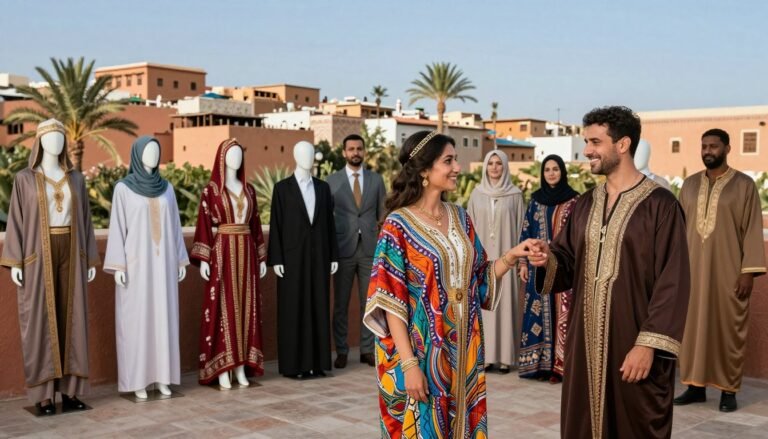
Dressing right is a big step in avoiding unwanted attention in Morocco. The country’s diverse regions have their own dress codes.
City vs. Rural Dress Codes
In cities like Marrakech and Rabat, the dress code is a bit more relaxed. But, it’s wise to dress modestly. Rural areas are more conservative, so you’ll need to dress even more modestly.
Religious Sites and Conservative Areas
At religious sites or conservative areas, dressing very modestly is a must. Make sure to cover your shoulders and knees. Sometimes, you might need to cover your head too.

Body Language and Confidence Techniques
Your body language is important in avoiding unwanted attention. Walking confidently shows you’re assertive and less vulnerable.
Keeping eye contact and being mindful of your posture helps too. Don’t show signs of uncertainty or fear, as they can attract unwanted attention.
Planning Your Routes and Times of Travel
Planning your routes and travel times wisely can keep you safe. Try to avoid traveling alone at night and stick to well-lit, busy areas.
Researching your destinations and staying updated on local conditions helps you travel safely in Morocco.
Immediate Responses to Street Harassment
When you face street harassment in Morocco, knowing how to react is key. Your response can stop more harassment or make things worse. It’s important to have good ways to handle catcalling and other street harassment.
When to Ignore and Keep Walking
Ignoring street harassment and walking away can be a good move. This works well for catcalling or light harassment. By ignoring them, you take away their attention.
It’s hard to ignore harassment, but stay confident and focused. Walk with purpose and keep your eyes forward. This way, you avoid engaging with harassers.
Verbal Responses That Work
At times, saying something can stop street harassment. Use a firm but polite voice to set your limits. Knowing phrases in Arabic or French, Morocco’s main languages, is helpful.
Useful Arabic and French Phrases
Learning key phrases can help you respond to harassment. Saying “La, shukraan” (No, thank you) in Arabic or “Non, merci” in French shows you’re not interested. Being able to say no clearly can make you feel stronger.
| Phrase | Language | Meaning |
|---|---|---|
| La, shukraan | Arabic | No, thank you |
| Non, merci | French | No, thank you |
Setting Clear Boundaries
When you speak up, be clear and firm. Don’t sound sorry or unsure. Practice your phrases to feel more confident when you use them.
“The most courageous act is to think for yourself. Aloud.” – Coco Chanel
Using Non-Verbal Cues Effectively
Non-verbal signs can also stop street harassment. Your body language shows confidence and can scare off harassers. Keep eye contact, stand tall, and avoid distractions to look more confident.
Getting good at non-verbal cues takes practice. Be aware of your body language and adjust it to show confidence. This means keeping your head up, not fidgeting, and walking with purpose.
Safety Strategies for Different Situations
To have a safe and fun trip to Morocco, it’s key to use safety plans for different travel situations. Morocco is full of culture and lively markets. But, it also has its own challenges for visitors.
Navigating Markets and Medinas Safely
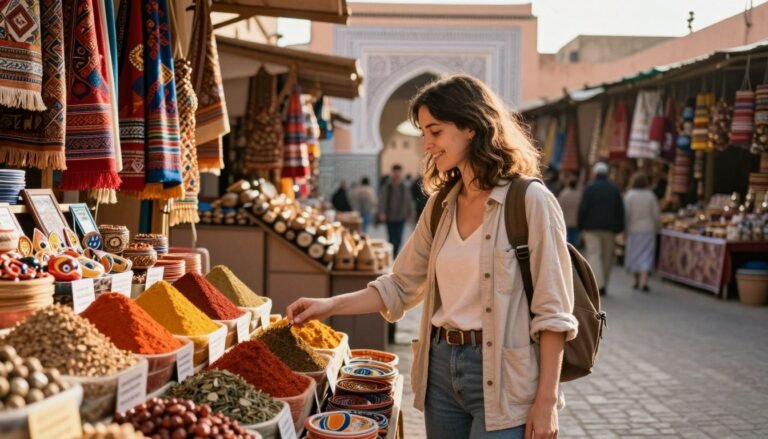
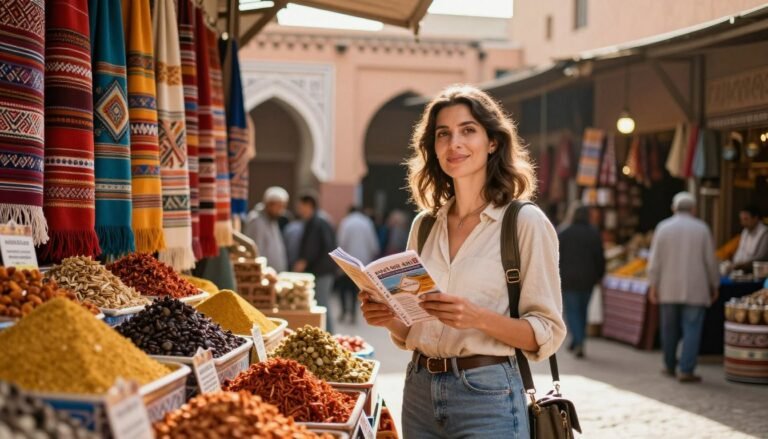
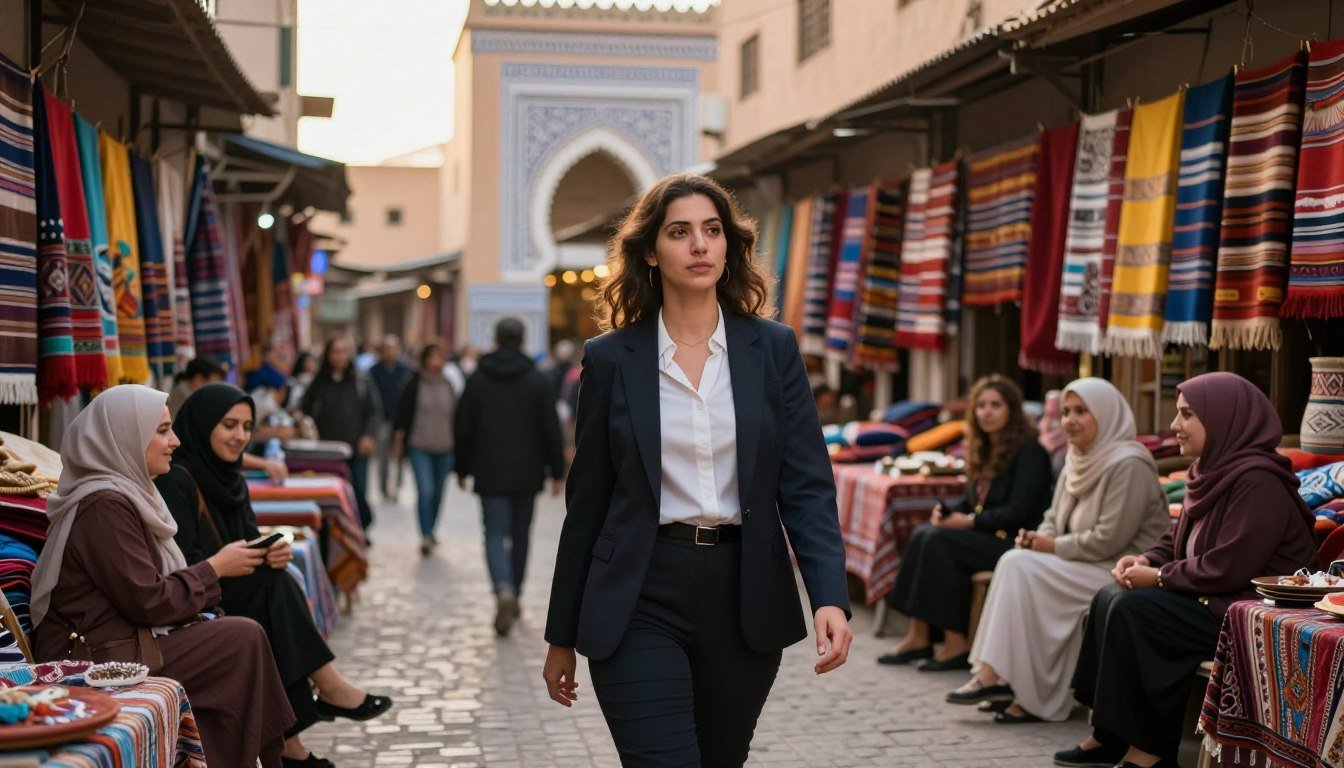
Exploring Morocco’s markets and medinas is thrilling but needs caution. Stay alert and keep your things close to avoid pickpocketing. Dressing modestly and being aware of your area can also help avoid unwanted attention.
Having a local guide or joining a tour can help you navigate these areas. It can also prevent getting lost. Be careful with vendors and watch out for pushy sales tactics.

Public Transportation Safety Tips
Public transport in Morocco is a good way to move around, but it has its own risks. Always watch your luggage and be ready for crowded buses or trains.
Knowing the local transport and planning your route ahead is smart. Use trusted taxi services or apps at night for safety.
- Use licensed taxis or ride-sharing services.
- Avoid traveling alone at night.
- Keep your belongings close and secure.
Solo vs. Group Travel Tactics
Traveling solo or in a group in Morocco has its own safety tips. Solo travelers might want to join tours to meet others and get local tips. They should also stay aware of their surroundings and keep in touch with loved ones.
For groups, it’s important to stick together, mainly in crowded places or at night. Having a set meeting spot if someone gets lost is also key.
Solo travelers should pick safe places to stay and be careful with personal info when meeting new people.
When Harassment Escalates: Emergency Responses
It’s key to know how to handle harassment when it gets worse. Many times, it’s just annoying, but sometimes it’s serious. Knowing the difference is important for your safety in Morocco.
Identifying Genuine Threats vs. Annoying Behavior
Not all harassment is the same. Be aware of your surroundings and listen to your gut. If you feel threatened, act fast.
Verbal aggression or physical intimidation mean trouble. In these cases, your safety is the top priority.
Who to Contact for Help
Knowing who to call for help is critical.
Local Police Resources
Local police can help right away. Keep their number handy.
Embassy and Consulate Support
Your embassy or consulate can offer help and advice. They might also have lists of useful contacts.
Tourist Police Contacts
Tourist areas often have tourist police. They’re used to helping visitors and speak many languages.
Legal Rights and Reporting Options
Knowing your legal rights in Morocco is important. If you face harassment, you can report it. Learn about the reporting process to act if needed.
Understanding your rights and available resources boosts your safety and confidence in Morocco.
Building Resilience: Mental Health Aspects
Exploring Morocco’s vibrant streets is exciting but also requires looking after your mental health. Traveling to a new country can be thrilling yet tough. Knowing how to handle tough moments can make your trip better.
Processing Negative Experiences
Dealing with harassment or unwanted attention can upset you. It’s key to handle these feelings well. Acknowledging your feelings and allowing yourself to be upset is the first step. Talking to someone you trust or writing about your experiences can help.
Also, focusing on the good parts of your trip and your own strength can aid in healing. Practice self-care routines like meditation, reading, or a relaxing bath. These can bring comfort in new places.
Supporting Fellow Travelers
Talking to others who’ve faced similar issues can be very supportive. Sharing your stories and listening to others builds a community. Online forums and travel groups are great places to find and support each other.
Helping others by sharing your experiences can also boost your own resilience. Empathy and understanding among travelers can greatly help in overcoming tough times.
Conclusion: Enjoying Morocco Despite the Challenges
Exploring Morocco’s lively streets can be rewarding if you’re ready for the local culture and possible harassment. Knowing the cultural background and how to handle tough situations helps you enjoy Morocco fully.
It’s important to respect Moroccan culture for a good experience with the locals. Dressing modestly and being aware of your body language shows respect. Also, showing interest in local customs makes your trip better. You can find helpful tips for women travelers by staying alert and planning your trips well.
Morocco is rich in culture, from busy markets to peaceful landscapes. Being informed and ready lets you enjoy the food, historical sites, and friendly people. Respecting the culture and customs makes your trip not only enjoyable but also enriching.
FAQ
Is Morocco safe for solo female travelers?
Morocco can be great for solo female travelers. But, it’s key to know the local culture and take safety steps. Knowing the difference between cities and rural areas helps plan your trip better.
What are the common forms of harassment women might experience in Morocco?
Women in Morocco might face catcalling, unwanted attention, and staring. Being ready and knowing how to react can lessen these issues.
How should I dress to avoid unwanted attention in Morocco?
Dressing modestly and respecting local customs can reduce unwanted attention. In conservative areas, wear clothes that cover your shoulders and knees. Knowing the dress codes for different places and times is important.
What are some effective ways to respond to catcalling in Morocco?
Ignoring catcallers and walking away is often the best move. Sometimes, using words or gestures can work. Learning Arabic and French phrases helps communicate your limits.
Who should I contact if I experience harassment or feel threatened in Morocco?
If harassed or threatened, contact local police, tourist police, or your embassy/consulate. Knowing your rights and reporting options is vital.
Are there any specific safety tips for navigating markets and medinas in Morocco?
Be careful in crowded markets and medinas. Stay alert, watch your stuff, and avoid pushy vendors. This keeps you safe.
How can I support fellow female travelers who have experienced harassment in Morocco?
Supporting other travelers by sharing your story or advice helps build a community. Dealing with negative experiences and coping strategies are very helpful.
What are the differences in safety between urban and rural areas in Morocco?
Cities like Marrakech and Rabat are safer and more tourist-friendly. Rural areas need more caution. Knowing these differences helps plan your trip safely.