Moroccan Dirham Explained: Cash, ATMs & Cards
Did you know Morocco is a top spot in Africa for tourists? Over 8 million people visit each year. Knowing about the Moroccan Dirham is key for a great trip.
In Morocco, you’ll deal with cash, ATMs, and cards. While many places take cards, cash is king in old markets and small towns.
Getting ready for your trip means learning about money management. You’ll need to know where to exchange money, use ATMs, and which cards work.
Key Takeaways
Moroccan Dirham Explained: Currency Basics
- Understand the importance of cash in Morocco.
- Know how to use ATMs and credit cards effectively.
- Be aware of the local currency exchange rates.
- Plan your money management strategy before your trip.
- Research the best ways to exchange currency.
Understanding the Moroccan Dirham
The Moroccan Dirham is Morocco’s official currency. Knowing about it can make your trip better. It helps you understand the local economy.
Currency Basics and Denominations
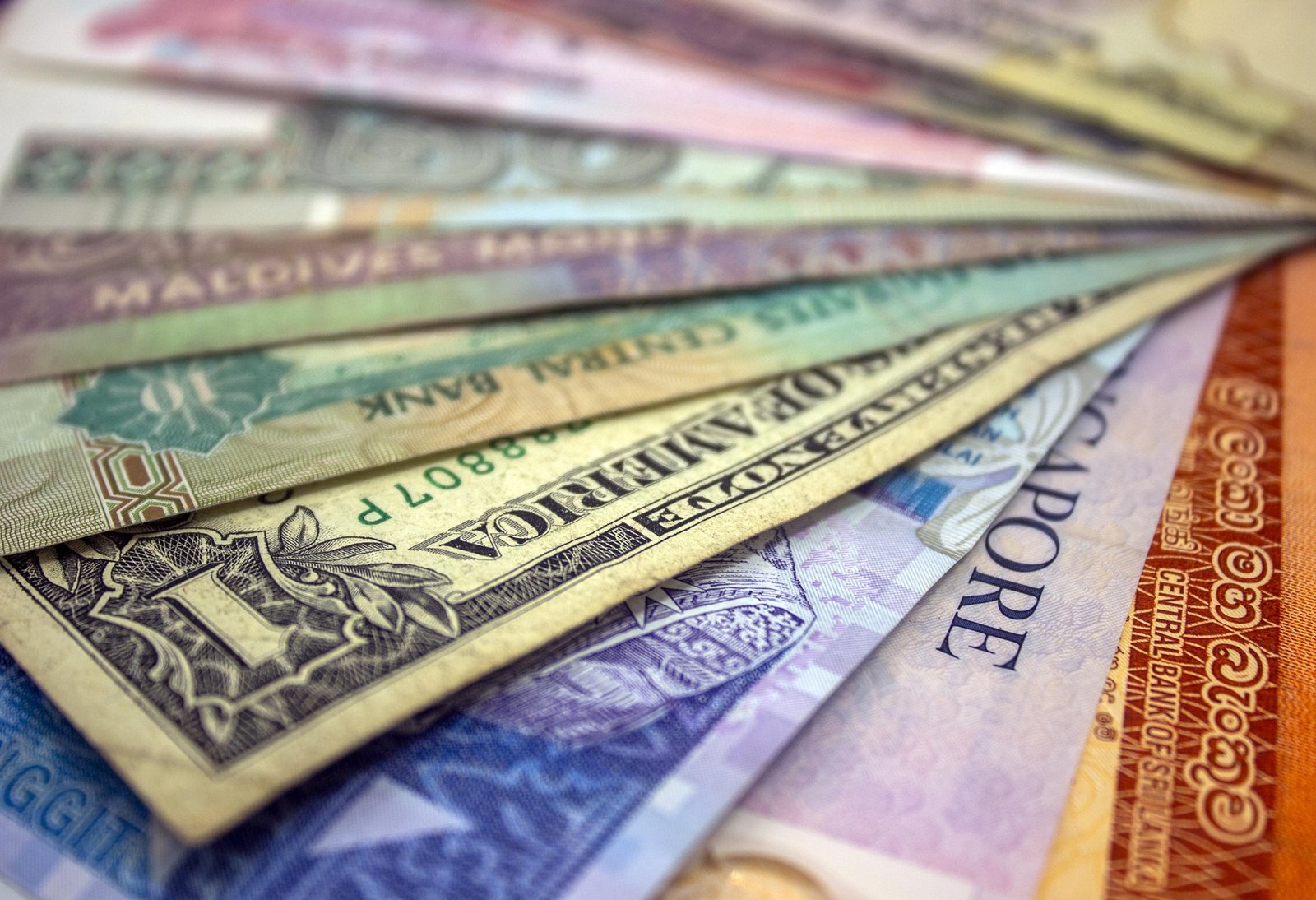
The Moroccan Dirham is split into 100 centimes. You’ll find banknotes in 20, 50, 100, and 200 Dirhams. Coins range from 1 to 10 Dirhams, and 1 to 20 centimes.
Exchange Rates and Value
The Moroccan Dirham’s value changes. Right now, 1 USD is about 10 MAD. You can find the latest rates online or through a currency service.
Restrictions on Import and Export
Morocco has rules for bringing in and out Dirhams. You can’t freely exchange Dirhams. You can’t export more than 1,000 MAD. It’s best to exchange any Dirhams left before you leave.
| Currency | Import Limit | Export Limit |
|---|---|---|
| Moroccan Dirham (MAD) | No limit for non-residents | 1,000 MAD |
Morocco’s Cash Culture: What You Need to Know
Traveling to Morocco means cash is key. Being ready is vital for a smooth trip. Morocco’s economy mainly uses cash, which can surprise tourists.
Why Cash Dominates in Morocco
Cash is common in Morocco for cultural reasons and because many small businesses don’t take cards. You’ll need Moroccan Dirhams (MAD) for most things.
“Cash is the top choice for many in Morocco,” a financial expert says. This is true in traditional markets and rural places where cards are rare.
When You’ll Need Cash vs. Cards
In tourist spots, hotels, restaurants, and shops often take cards. But, cash is needed for local markets and public transport.
- Use cash at traditional markets and for small purchases.
- Cards are generally accepted at hotels, upscale restaurants, and tourist shops.
Safety Tips for Carrying Cash
Carry cash safely with a money belt or secure wallet. Be careful in crowded places to avoid pickpocketing.
Always keep a small amount of cash separate from your main stash as an emergency fund. Also, have a backup payment method, like a secondary card, for unexpected costs.
By getting used to Morocco’s cash culture, you can have a worry-free trip. Enjoy the rich experiences Morocco offers.
Moroccan Dirham Guide for Tourists: Preparation Before Your Trip
Your Moroccan adventure is almost here. But have you thought about managing your money there? Getting your finances ready before you go can really enhance your trip.
Should You Exchange Money Before Arrival?
It’s a good idea to exchange some cash before you land in Morocco. This way, you’ll have local money for things like transport or tips right away. But don’t exchange too much, as you can get better rates or use ATMs later.
Notifying Your Bank About Travel Plans
Telling your bank or credit card company about your trip is essential. It helps avoid any issues with your money while you’re away. This simple step can prevent a lot of trouble.
Backup Payment Options
It’s wise to have other ways to pay. Carry a spare credit or debit card and some local cash for emergencies. This way, you’re ready for any unexpected problems, like lost cards or ATM issues.
Currency Exchange in Morocco: Best Practices
To get the most out of your money in Morocco, knowing where and how to exchange it is key. Exchanging currency is a big part of traveling there. Being informed can help you avoid extra fees and scams.
Airport Exchanges: Convenience vs. Cost
Exchanging currency at airports might seem easy, but it often comes with less favorable rates and higher fees. While it’s tempting to exchange some money right away, airport exchange offices usually charge more. It’s better to withdraw dirhams from an ATM or exchange a small amount first, then look for a better deal in the city.

Banks vs. Exchange Offices
Banks and exchange offices are your main choices for exchanging currency in Morocco. Banks usually offer better rates and lower fees, making them safer. But, some banks might need a credit or debit card to exchange cash. Exchange offices, or “bureaux de change,” are also available, but rates can differ a lot.
Finding the Best Exchange Rates in Major Cities
Major cities like Marrakech, Casablanca, and Fes have many exchange options. Here’s a breakdown:
Marrakech
In Marrakech, you can find good exchange rates at banks or exchange offices in the Medina or near tourist spots. Always compare rates before you exchange.
Casablanca
Casablanca, being a financial center, has lots of banks and exchange offices. Look for banks like BMCE or Attijariwafa Bank for reliable services.
Fes
In Fes, banks are the best for exchanging currency. Some exchange offices in the old Medina might offer good rates, but always check the rate and any extra fees.
Avoiding Common Exchange Scams
To avoid scams, always count your money before leaving the exchange counter and make sure you understand the transaction. Be careful of street changers or anyone trying to exchange money with you. Stick to reputable banks and exchange offices, and keep your receipts.
By following these tips, you can have a smooth and cost-effective currency exchange experience in Morocco.
Using ATMs in Morocco: A Complete Guide
Using ATMs in Morocco is easy and convenient. The country has many ATMs, making it simple for tourists to get local currency.
Finding Reliable ATMs
Look for ATMs at well-known banks for safety. You’ll find them in secure spots like banks, malls, or tourist areas. Online resources or hotel staff can also help find nearby ATMs.
Major Moroccan Banks for Tourists
Morocco has big banks for tourists. Here are some key ones:
Attijariwafa Bank
It’s one of the biggest banks in Morocco. It has lots of ATMs and branches.
Banque Populaire
It’s loved by locals and tourists. It has a big ATM network.
BMCE Bank
It offers services for tourists. You can get cash and exchange currency here.
CIH Bank
It’s modern and has many ATMs in tourist spots. It’s a reliable choice.
| Bank Name | ATM Availability | English Support |
|---|---|---|
| Attijariwafa Bank | High | Yes |
| Banque Populaire | High | Yes |
| BMCE Bank | Medium | Yes |
| CIH Bank | High | Yes |
Understanding Fees and Daily Withdrawal Limits
Be aware of fees when using ATMs. Your bank might charge foreign transaction fees. Also, there could be ATM operator fees. Check your bank’s daily limits before you go.
Step-by-Step ATM Withdrawal Process
To get cash, just insert your card and enter your PIN. Choose your language and the amount you want. Be careful with your PIN and avoid isolated ATMs.
ATM Safety Precautions
Use ATMs in safe, well-lit areas. Avoid using them at night or alone. Always cover the keypad when entering your PIN. Stay alert around you.
Credit and Debit Cards in Morocco
Cash is king in Morocco, but credit and debit cards are gaining ground. They’re more common in tourist spots and big cities. This makes it easier for visitors to travel without lots of cash.
Where Cards Are Commonly Accepted
Credit and debit cards are now accepted in many places in Morocco. You can use them at:
Hotels and Riads
Hotels and riads for tourists often take cards. This includes fancy hotels, cozy riads, and some small places to stay.
Restaurants and Cafés
Many restaurants in tourist areas and big cities take cards. This is true for fancy places and those serving international food.
Larger Shops and Malls
Big shopping malls and stores usually accept cards. You can pay with cards at supermarkets, clothes shops, and places to buy souvenirs.

Places Where Cash Is Essential
Even with more card acceptance, cash is key in some places. You’ll need cash for:
- Local markets and souks
- Small, family-run businesses
- Rural areas and local neighborhoods
- Traditional craftsmen and street vendors
Visa vs. Mastercard vs. American Express
Visa and Mastercard are the most accepted cards in Morocco. American Express is also used, but less often. It’s wise to have a backup card.
Foreign Transaction Fees and Dynamic Currency Conversion
Be aware of foreign transaction fees when using cards in Morocco. Some places might offer Dynamic Currency Conversion, which can be bad for exchange rates. It’s better to pay in Moroccan Dirhams.
Contactless Payment Availability
Contactless payments are getting more common in Morocco. They’re popular in big cities and tourist spots. This makes buying things quicker and easier.
Carrying both cash and cards is a good idea in Morocco. While cards are getting more accepted, cash is often preferred, even in tourist areas.
Regional Money Differences Across Morocco
Traveling across Morocco shows big differences in money use. The country is diverse, with different financial habits in each region.
Major Cities vs. Rural Areas
In cities like Marrakech, Casablanca, and Rabat, you’ll see modern money use. Credit and debit cards are widely accepted, and ATMs are easy to find. But, in rural areas, cash is king. There are fewer places to use cards and ATMs are scarce.
Key differences between cities and rural areas include:
- Easier access to ATMs and card facilities in cities
- Higher reliance on cash in rural areas
- More exchange offices and banks in urban centers
Tourist Zones vs. Local Neighborhoods
Tourist spots, like Marrakech’s Medina or Essaouira’s coast, offer better financial services. They have currency exchange and ATMs for tourists. But, local areas have fewer financial services and prefer cash.
Northern vs. Southern Morocco
The north of Morocco is closer to Europe, so it’s influenced by European money habits. The south keeps more traditional ways of handling money.
Knowing these differences helps plan your money for Morocco. It ensures you’re ready for local money customs wherever you are.
Tipping Etiquette in Morocco
Tipping in Morocco is more than just saying thank you. It’s a big part of the culture that visitors should get. When you’re walking in Marrakech or enjoying a café by the sea, knowing how to tip can make your trip better.
Restaurants and Cafés
In Morocco, leaving a tip at restaurants and cafés is expected. Try to leave 5-10 dirhams for each drink or 10% of the bill if you’re happy with the service. For big meals, think about tipping more, like if the service was great.
Hotel Staff
Hotel staff, like porters and housekeepers, like tips for their work. A few dirhams for each bag for porters and 10-20 dirhams a day for housekeeping is good. If you’re in a fancy riad or hotel, tipping more is the norm.
Tour Guides and Drivers
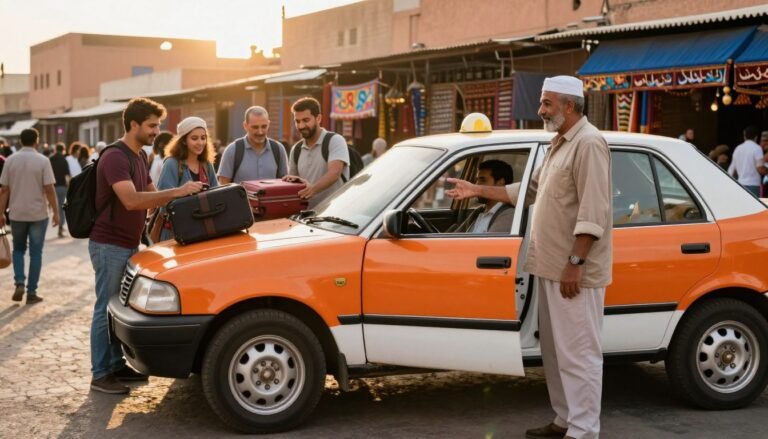
Tour guides and drivers really count on tips. For tour guides, 50-100 dirhams a day is common, based on the tour’s length and quality. Drivers usually get 20-50 dirhams a day.
Other Service Providers
For spa staff or tour operators, tipping can vary. Usually, 10-20 dirhams is enough for things like massages or tours.
Knowing and following local tipping customs makes your visit to Morocco better. It also helps the local economy and service culture.
Conclusion: Making the Most of Your Money in Morocco
Before you head to Morocco, it’s key to know about the local money and how people pay. Learning about the Moroccan dirham will help you enjoy the markets, restaurants, and sights. It makes your trip smoother and more fun.
It’s smart to mix cash, ATMs, and credit cards to manage your money. Watch out for exchange rates and don’t exchange money at airports or tourist spots. These places often have bad rates. Also, learn about Morocco’s money tips, like using safe ATMs and being careful of scams.
This guide will help you handle your money in Morocco. Remember to tip well, as it improves service. With these tips, you can explore Morocco’s lively souks and peaceful landscapes without money worries.
FAQ
Is Morocco a cash-only economy?
Morocco is mostly a cash-based economy. But, many places like tourist areas, hotels, and big businesses accept cards too.
Can I use my foreign credit or debit card in Morocco?
Yes, you can use your card in Morocco. ATMs and many businesses accept Visa, Mastercard, and American Express. But, not everywhere.
What are the best ways to exchange currency in Morocco?
You can exchange money at airports, banks, and exchange offices. Banks usually give the best rates. But, airport exchanges might charge more fees.
How do I avoid scams when exchanging money?
Watch out for places with too good rates. They might be scams. Always check the rate and any extra fees first.
Can I withdraw Moroccan Dirhams from an ATM?
Yes, you can get Dirhams from ATMs with your card. Just remember your daily limits and any fees.
What are the fees associated with using ATMs in Morocco?
Fees can change based on your bank and the ATM. Some charge a fee for withdrawals. Your bank might also have a foreign fee.
Is it safe to use ATMs in Morocco?
Generally, yes. But, be careful, mainly at night. Use ATMs in safe places and cover your PIN.
How much should I tip in Morocco?
Tipping varies, but 10% in restaurants and cafes is common. Also, tip tour guides, drivers, and hotel staff based on service quality.
Can I use contactless payments in Morocco?
Contactless payments are getting more common in big cities and tourist spots. But, cash and traditional card payments are more accepted.
Should I notify my bank before traveling to Morocco?
Yes, tell your bank you’re traveling to Morocco. This avoids your card being flagged for suspicious activity.
Are there any restrictions on importing or exporting Moroccan Dirhams?
Yes, there are rules on taking Dirhams out of Morocco. Spend or exchange your Dirhams before leaving.
Can I exchange my leftover Dirhams when I leave Morocco?
It’s not wise to exchange Dirhams outside Morocco. The rates are often bad. Try to use up your Dirhams before you go.