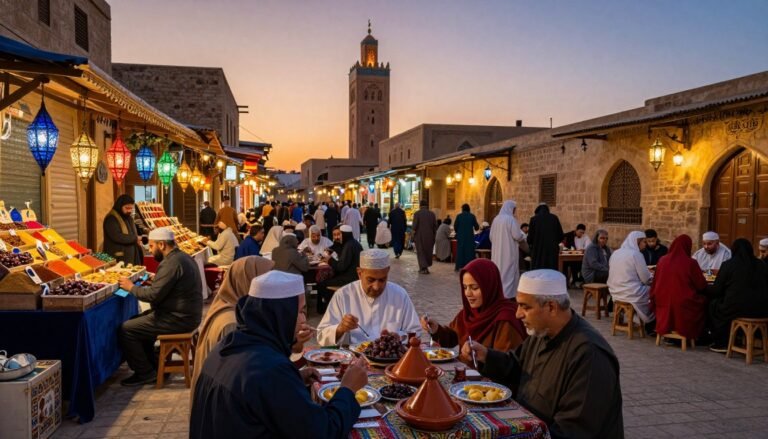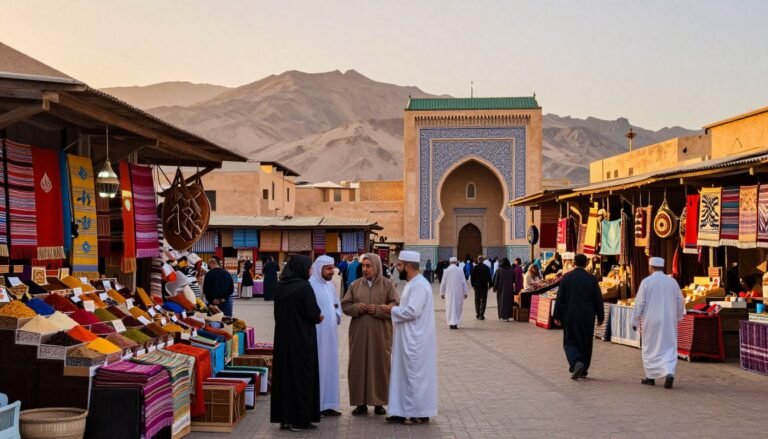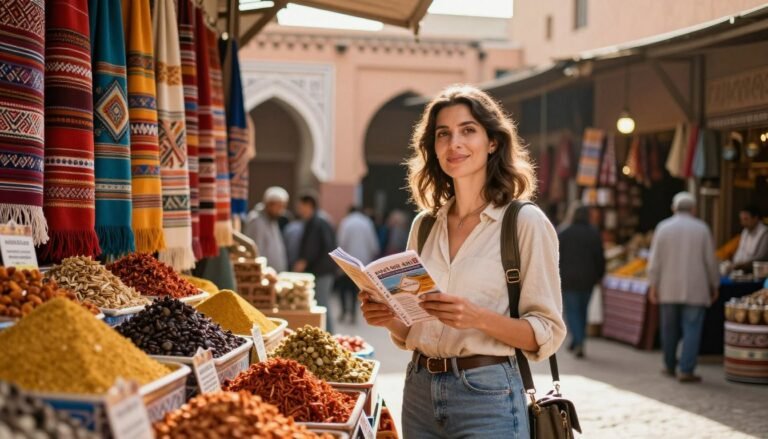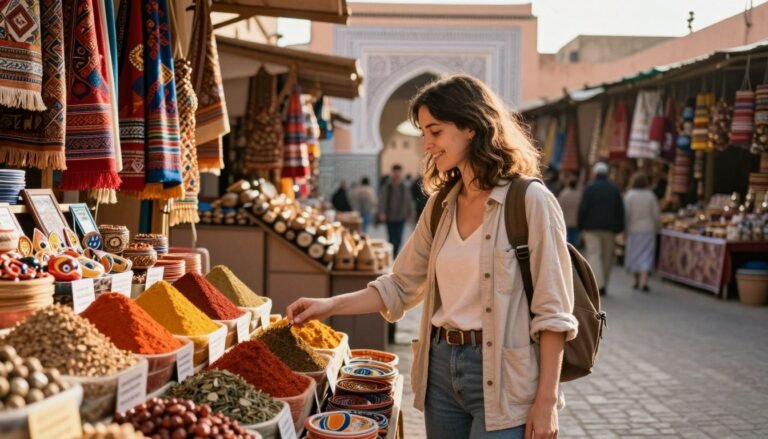
Dress Code in Morocco for Men & Women
Getting ready for your trip to Morocco? It’s key to know the local customs and dressing modestly. Morocco, being a conservative Muslim country, has specific clothing expectations.
It’s important to find a balance between comfort and cultural respect. Whether you’re in busy markets or on beaches, this guide will help. It covers the Dress Code in Morocco for both men and women. You’ll learn how to dress right as a tourist.
Key Takeaways
- Understand the importance of modesty when dressing for Morocco.
- Learn what to wear in various situations to balance comfort and cultural respect.
- Discover the essential clothing items for men and women.
- Get tips on navigating cultural norms and dressing appropriately.
- Be prepared for your Moroccan adventure with our guide.
Understanding Moroccan Cultural Dress Norms
Visitors to Morocco need to know about the local dress norms. Morocco’s culture is a mix of old traditions and new styles. This mix shapes how people dress.
The Importance of Modesty in Moroccan Culture
Modesty is very important in Morocco. It affects how both men and women choose their clothes. They aim to cover their bodies and avoid clothes that show too much.
This isn’t just about following rules. It’s about showing respect for the local way of life. Dressing modestly helps visitors get along better with the locals. It makes their time in Morocco more enjoyable.
Key aspects of modesty in Moroccan dress include:
- Covering shoulders and knees
- Avoiding tight or revealing clothing
- Wearing loose, comfortable garments
Religious Influences on Dress Code
Morocco is an Islamic country. Islamic teachings play a big role in how people dress. Modesty is a key part of these teachings.
The traditional Moroccan attire, like the djellaba, shows these values. It’s loose and covers the body. This makes it practical and respectful of local customs.
| Aspect | Traditional Moroccan Attire | Modern Influence |
|---|---|---|
| Clothing Style | Loose, covering garments like djellabas | Incorporating modern fabrics and designs |
| Modesty | High emphasis on covering the body | Continued focus on modesty with modern interpretations |
| Religious Influence | Strongly influenced by Islamic principles | Continued adherence to Islamic dress code guidelines |
Understanding the Dress Code in Morocco can enhance your travel experience and ensure you feel comfortable and respected while exploring.
Dress Code in Morocco for Tourists: Basic Guidelines
When you travel to Morocco, it’s important to dress right. This shows respect for the local culture. You’re not just a visitor; you’re a guest in a country with a rich history.
Balancing Comfort with Cultural Respect
Morocco’s weather can be hot, mainly in summer. Wear loose, breathable clothing to stay cool and follow local dress codes. Both men and women should cover their shoulders and knees as a sign of respect. Here are some tips:
- Choose lightweight, natural fabrics like cotton or linen.
- Wear loose-fitting clothes that cover your body adequately.
- Consider packing clothing items that can be easily mixed and matched.
First Impressions and Local Interactions
Your clothes can make a big difference when meeting locals. Dressing modestly shows respect and can lead to better interactions. Whether you’re shopping in markets or visiting historical sites, your clothes can make your experience better. Here are some key considerations:
- Be mindful of your surroundings and adjust your attire.
- Covering your shoulders and knees is a sign of respect, even in mosques or rural areas.
- Engage with locals confidently; your respectful attire can help you have more meaningful interactions.
By balancing comfort with cultural respect and being mindful of your attire’s impact, you can have a more immersive and respectful experience in Morocco.
How to Dress in Morocco as a Woman
When you travel to Morocco, knowing the local dress code is key. It ensures you have a respectful and fun trip. Morocco values its rich culture, and dressing modestly shows respect for its traditions.
Essential Clothing Items for Female Travelers
When packing for Morocco, choose clothes that are both comfy and modest. Long-sleeved tops and loose-fitting pants or skirts that cover your knees are best. They keep you cool and let you fit in with the local vibe.
A lightweight scarf is a must-have. It covers your shoulders or hair at mosques and is a chic addition to your outfits.
Coverage Guidelines: Shoulders, Knees, and Cleavage
Knowing what to cover is key in Morocco. It’s wise to keep your shoulders, knees, and cleavage covered, mainly in rural areas or mosques. This shows respect and keeps you out of trouble.
Wear loose-fitting clothing that falls over your body. A flowy maxi dress or a long skirt with a loose top is both comfy and modest.
Headscarf Etiquette: When and Where
Carrying a headscarf is handy, even if not always needed. In mosques, it’s a must for women to cover their hair. It’s a sign of respect, even if not required.
When not in use, tie the scarf around your neck or carry it in your bag. In conservative areas, wearing it might be more appreciated.
What Women Should Avoid Wearing in Morocco
When traveling to Morocco, knowing what to wear is key. Morocco values modest dress, making it important to dress right. This can make your trip better and more respectful.

Common Clothing Mistakes by Female Tourists
Many women unintentionally draw attention with their clothes. Common mistakes include:
- wearing revealing or tight-fitting clothing
- exposing shoulders, knees, or cleavage
- not covering up when visiting mosques or rural areas
To avoid these, dress modestly. Cover your shoulders and knees, mainly in religious sites or conservative spots.
Potential Reactions to Inappropriate Attire
Wearing the wrong clothes in Morocco can cause stares, whispers, or even harassment. Knowing and following local dress codes can help avoid these issues.
Some reactions to bad attire include:
- stares and unwanted attention
- verbal harassment or catcalls
- being refused service at local businesses
Dressing modestly and respecting local customs can lead to better interactions with Moroccan culture.
For more Morocco female travel clothing tips, pack loose, covering clothes. Consider buying traditional Moroccan outfits. They’re modest and stylish. Dressing right ensures a safe and enjoyable trip to Morocco.
How to Dress in Morocco as a Man
When you travel to Morocco, knowing the local dress code is key. Morocco is a conservative country. It has simple dress norms to follow.
Appropriate Clothing Options for Male Travelers
Choose clothes that are both comfortable and modest. Loose-fitting pants and shirts that cover your shoulders are best. For warm months, lightweight, breathable fabrics are perfect.
Stay away from shorts in most places, as they’re not well-received. Long trousers are versatile and suitable for any event.
Modesty Standards for Men
Men should dress modestly, avoiding tight or revealing clothes. Morocco is more relaxed than some places, but dressing right shows respect.
In rural areas or mosques, dress even more modestly. Covering your shoulders and knees shows respect for local customs.
Situation-Specific Dress Guidelines
Morocco has many places to visit, from fancy venues to outdoor spots. Knowing what to wear in each place can make your trip better.
Restaurants and Upscale Venues
At fancy restaurants or high-end places, dress up but stay modest. Women, wear stylish, modest dresses or blouses with skirts or pants. Men, go for long pants and a button-down shirt. Don’t wear too casual or revealing clothes to respect the culture.
Markets and Street Shopping
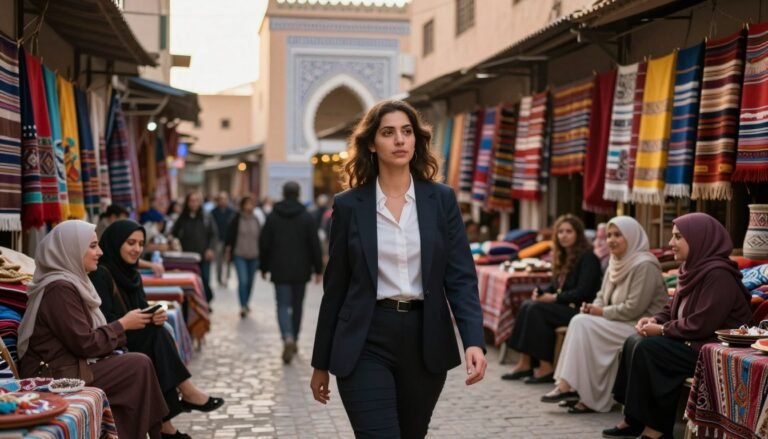
When you’re at Morocco’s lively markets or street shopping, wear comfy, modest clothes. Choose loose clothes that cover your shoulders and knees. A scarf for your hair is good when talking to vendors. Wear comfy shoes because you’ll walk a lot.
Outdoor Activities and Excursions
For hiking, desert tours, or other outdoor fun, wear practical clothes. Choose breathable fabrics that keep you cool and protect you from the sun. Wear layers for cooler times, like mornings and evenings in the desert. Even though it’s casual, keep your clothes modest. For example, women might wear long pants and a tunic, while men can wear long shorts or lightweight pants.
| Activity | Recommended Clothing | Key Considerations |
|---|---|---|
| Restaurants and Upscale Venues | Formal yet modest attire (dresses, long trousers, button-down shirts) | Maintain modesty, avoid revealing clothing |
| Markets and Street Shopping | Comfortable, modest clothing (loose-fitting garments, scarves) | Cover shoulders and knees, wear comfortable shoes |
| Outdoor Activities and Excursions | Practical, breathable clothing (long pants, tunics, layers) | Protect from sun and elements, maintain modesty |
Seasonal Dress Considerations in Morocco
When planning your trip to Morocco, think about the dress code for each season. Morocco’s weather changes a lot between summer and winter. You’ll need to change your clothes to fit the local culture and weather.
Summer Clothing That Remains Culturally Appropriate
In summer, wear lightweight, breathable fabrics to stay cool and modest. Cotton clothes that fit loosely are great because they let air in and are okay to wear. Make sure to cover your shoulders and knees to show respect.
- Choose light, natural fabrics like cotton and linen.
- Opt for loose-fitting clothing that covers your shoulders and knees.
- Avoid revealing clothing that may attract unwanted attention.
Winter Layering Strategies
In winter, layering is essential, as mornings and evenings get chilly. Bring clothes that you can layer to adjust to the temperature changes. A light jacket or sweater is a must-have.
- Pack layers for cooler mornings and evenings.
- Choose breathable fabrics that can be layered.
- Consider a lightweight, versatile jacket.
Best Fabrics and Materials for Moroccan Climate
Choosing the right fabrics is important all year round. Natural fibers like cotton and linen are perfect for Morocco’s weather. They are breathable, keeping you cool in summer and warm in winter.
Regional Dress Code Variations Across Morocco
Traveling across Morocco shows you how dress codes change from one place to another. The country’s diversity means each region has its own dress code norms.
Urban Areas: Casablanca, Rabat, and Marrakech
In cities like Casablanca, Rabat, and Marrakech, dress codes are a bit more relaxed. But, it’s key to dress modestly, like when you visit mosques or government buildings. Women can wear jeans and tops, but should consider covering their shoulders. Men can wear shorts and t-shirts, but avoid clothes that show too much.
Coastal Regions and Beach Attire
Coastal spots, like Essaouira and Taghazout, have a more laid-back dress code, even on beaches. Swimwear is okay on beaches, but cover up when leaving or visiting towns. Wear light, breathable clothes and bring a scarf or shawl for your shoulders.

Rural and Conservative Areas
In rural and conservative areas, dressing modestly is a must. Women should cover their shoulders and knees, and consider wearing a headscarf. Men should avoid shorts and sleeveless shirts. Wear loose clothes that cover your body.
Knowing these differences helps you dress right for each region. This way, you can enjoy Morocco respectfully and fully.
- Research local customs before traveling to a new region
- Pack versatile clothing that can be easily mixed and matched
- Consider the local culture and dress modestly when visiting rural areas
Shopping for Appropriate Clothing in Morocco
Exploring Morocco, you’ll find many clothing options that respect culture and personal style. The country is famous for its lively markets, or souks. Here, you can find traditional clothes that are both meaningful and practical for the weather.
Local Markets and Clothing Options
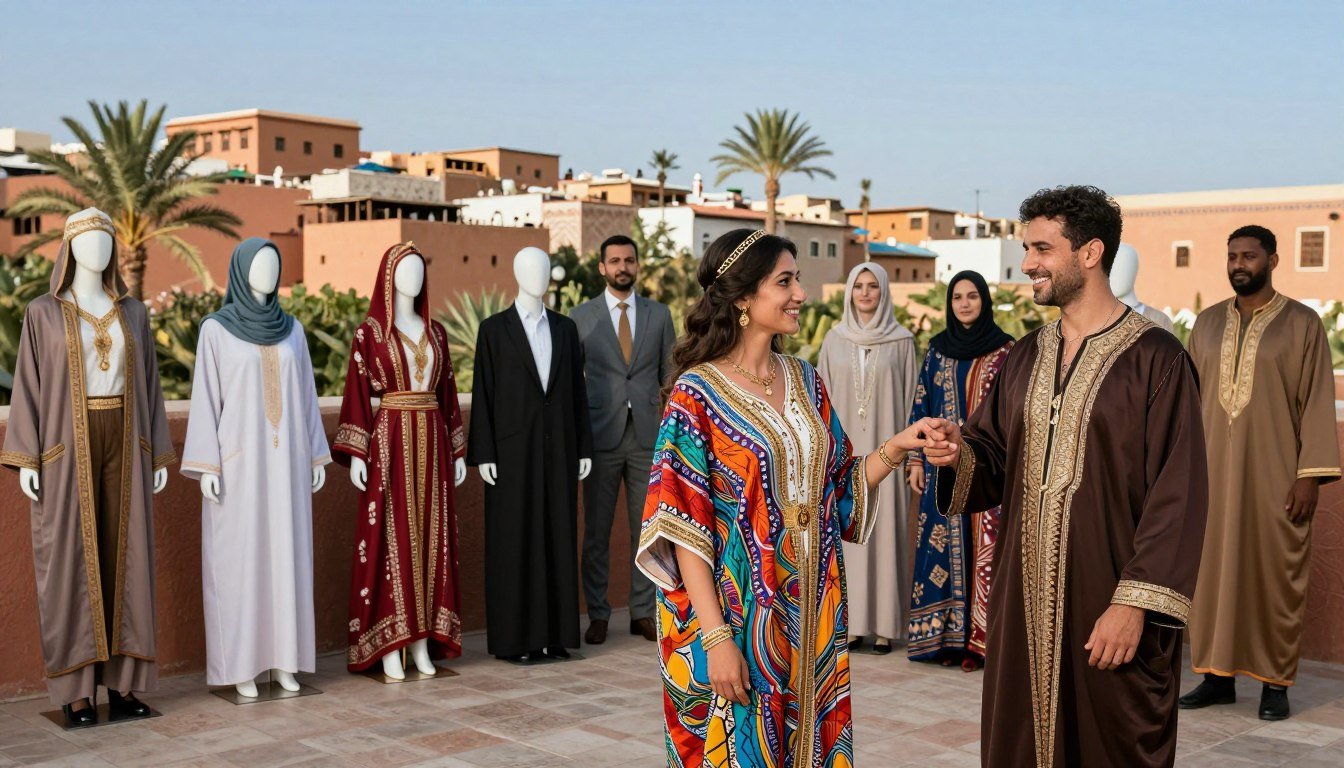
Local markets are a great place to find the right clothes. You can find djellabas and kaftans that are both stylish and comfy. These markets let you talk to local sellers and learn about the clothes’ cultural importance.
Purchasing Traditional Moroccan Garments
Buying traditional Moroccan clothes is a great way to dive into local traditions. Think about the event and local dress rules when you shop. For instance, a djellaba is a good choice for many events because it’s modest. Choosing traditional clothes shows respect for Moroccan culture and gives you a special souvenir.
Conclusion: Respecting Moroccan Culture Through Appropriate Dress
When you’re getting ready for your trip to Morocco, remember to dress right. This shows respect for the local culture and customs. By following the dress code tips in this guide, you’ll have a better and more respectful trip.
Modesty and being open to local ways are key. Whether you’re in Marrakech’s lively streets, Essaouira’s beaches, or rural areas, your clothes matter. Wearing the right clothes in Morocco shows respect and improves your interactions with the people there.
Being aware of Morocco’s cultural rules for visitors will help you enjoy your trip more. With the right clothes, you can dive deep into Morocco’s beauty and culture.
FAQ
What is the general dress code in Morocco for tourists?
Morocco is a conservative Muslim country. Tourists need to dress modestly. Both men and women should cover their shoulders, knees, and cleavage in most situations.
Are there specific clothing items that women should pack for Morocco?
Yes, women should pack long-sleeved tops and loose pants or skirts that cover the knees. They should also bring a scarf for covering shoulders or hair when needed.
Can women wear shorts in Morocco?
While it’s not strictly forbidden, wearing shorts is generally frowned upon. It’s best to avoid shorts to prevent unwanted attention, except in tourist areas or beaches.
What type of clothing is recommended for men in Morocco?
Men should wear loose-fitting pants and shirts that cover the shoulders. Shorts are generally discouraged, except in tourist areas or beaches.
Are there different dress code expectations in different regions of Morocco?
Yes, urban areas like Casablanca, Rabat, and Marrakech tend to be more liberal. Rural areas are generally more conservative. Coastal regions offer more relaxed dress codes, even on beaches.
How should I dress for visiting mosques or rural areas?
When visiting mosques or rural areas, it’s essential to dress modestly. Cover shoulders, knees, and cleavage. Carrying a headscarf can be useful, even when visiting religious sites.
What are the best fabrics to wear in Morocco’s climate?
Natural fibers like cotton and linen are excellent choices. They offer comfort and cultural appropriateness in Morocco’s climate.
Can I purchase traditional Moroccan clothing during my trip?
Yes, Morocco is a great place to shop for traditional garments. You can find djellabas and kaftans, which are culturally significant and practical for Morocco’s climate.
How can I balance comfort with cultural respect in my clothing choices?
Loose, breathable clothing is ideal for Morocco’s climate and cultural norms. By choosing comfortable yet modest clothing, you can enjoy your trip while showing respect for local customs.
Are there any specific dress code guidelines for different activities or situations?
Yes, different situations call for different dress codes. For example, upscale venues or restaurants require slightly more formal attire. Markets or street shopping call for comfortable yet modest clothing.