Islam in Morocco: What Tourists Should Know
Planning a trip to Morocco? It’s key to know the local culture and traditions. Morocco is a Muslim country with a rich history. Its culture is deeply influenced by Islamic traditions.
Morocco’s history, customs, and daily life are all connected to Islamic practices. It’s important for tourists to know the local norms and values. By learning about Moroccan Islam, you can connect better with the local community. This will make your trip more meaningful.
Key Takeaways
- Understand the significance of Islam in Moroccan culture
- Learn about the local customs and traditions influenced by Islamic practices
- Discover how to respectfully interact with the local community
- Explore the historical context of Islam in Morocco
- Enhance your travel experience by being aware of local norms and values
The Role of Islam in Moroccan Society
Exploring Morocco shows that Islam is more than a religion. It shapes the society, culture, and daily life. Islamic values and principles deeply influence these areas.
Islam as Morocco’s Official Religion
Islam is Morocco’s official religion. Its impact is clear in the country’s laws and public life. The Moroccan constitution makes Islam the state religion. The king is seen as the Commander of the Faithful, showing Morocco’s Islamic commitment.
The Influence of Islam on Daily Life
Islam shapes daily life in Morocco. The call to prayer is heard everywhere. Ramadan is a big part of Moroccan culture. Many Moroccans pray at the start of their day and say Insha’Allah (God willing) often.
Arab and Berber Islamic Influences
Morocco’s Islamic identity comes from both Arab and Berber influences. Arabs brought Islam, while Berbers added their cultural practices. This mix is seen in Morocco’s architecture, art, and celebrations.
Understanding Religion in Morocco for Tourists
Getting ready for your trip to Morocco? Knowing about the local Islamic culture can make your visit better. In Morocco, religion is a big part of everyday life. Learning about Islamic basics helps you act respectfully in social situations.
Key Islamic Principles to Be Aware Of
Islam is Morocco’s official religion. Its teachings shape the country’s laws and customs. Tourists should know about modesty, prayer times, and Ramadan’s importance. This knowledge helps you not offend locals and improves your interactions with the Moroccan people.
The Maliki School of Islamic Thought in Morocco
Morocco mainly follows the Maliki School of Islamic thought. This school is part of Sunni Islam’s four major schools. The Maliki School is known for its balanced approach to Islamic law. This has influenced Morocco’s culture and laws, making Islam practiced in a tolerant way.
Do Tourists Need to Follow Islamic Rules?
While tourists don’t have to follow Islamic rules strictly, being aware of local customs is important. Simple actions like dressing modestly and respecting prayer times show respect. By doing this, you can have a more enjoyable and meaningful visit to Morocco.
The Five Pillars of Islam in Moroccan Context
The Five Pillars of Islam are key in Morocco, shaping daily life. They are the base of a Muslim’s faith and practice. Knowing them helps us understand Moroccan culture and society.
Daily Prayers and Call to Prayer
In Morocco, daily prayers are a big part of life. The call to prayer, or Adhan, is heard five times a day. It comes from minarets, calling Muslims to pray. Visitors often find this call to prayer memorable and beautiful.
- The call to prayer occurs five times a day.
- Daily prayers are a fundamental aspect of Islamic practice.
- The Adhan is sung from minarets.
Ramadan, Zakat, and Hajj in Moroccan Culture
Morocco celebrates Ramadan with lots of fervor. Many businesses change their hours to help those fasting. Zakat, or giving to charity, shows the values of kindness and generosity. The Hajj, or pilgrimage to Mecca, is a big event for Muslims who can afford it and are physically able.
The Shahada and Its Significance
The Shahada, or declaration of faith, is very important in Islam. It says there is no god but Allah, and Muhammad is His Messenger. This statement is key for converting to Islam and is said daily by Muslims to reaffirm their faith.
- The Shahada is the declaration of faith.
- It is a cornerstone of Islamic belief.
- Reciting the Shahada is a daily practice for many Muslims.
Navigating Islamic Customs as a Visitor
When you plan to visit Morocco, knowing the local Islamic customs can make your trip better. Islam is a big part of daily life in Morocco. Showing respect for these customs can make your visit more enjoyable and meaningful.
Appropriate Dress Code for Tourists
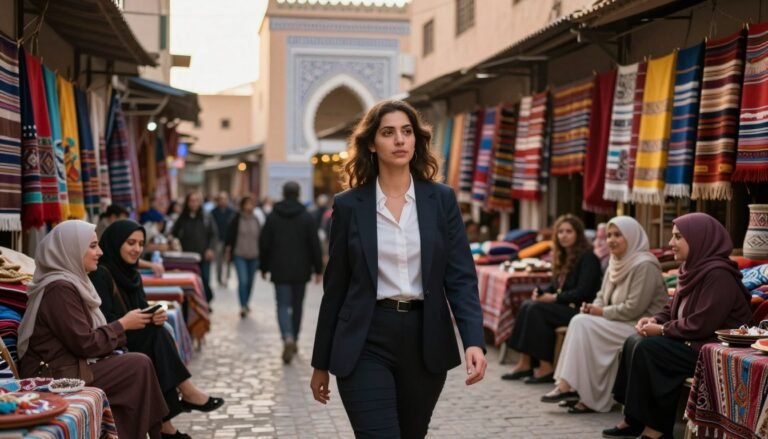
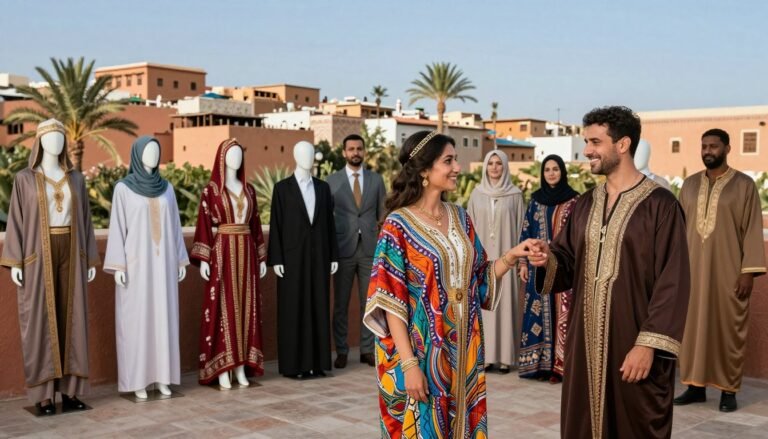
Dressing modestly is a good idea, mainly when visiting religious sites. Both men and women should avoid revealing clothing.
Guidelines for Women
Women should wear loose-fitting clothes that cover their arms and legs. A scarf is handy for covering your hair at mosques or religious sites.
Guidelines for Men
Men should also dress conservatively. Avoid shorts and sleeveless shirts. Long pants and shirts with sleeves are best.

Respectful Behavior in Public Spaces
Being mindful of your behavior in public is key. This includes knowing how to greet people and what to avoid in terms of public displays of affection.
Greetings and Interactions
Moroccans greet each other with “As-salamu alaykum” (peace be upon you). The response is “Wa alaykum as-salam” (and upon you be peace). Using these greetings shows respect.
Public Displays of Affection
Public displays of affection, like kissing or holding hands, are not common in Moroccan culture. It’s best to avoid such behavior to respect local norms.
By being aware of these customs, you can have a positive and respectful interaction with the local culture. The Prophet Muhammad said,
“The best of you are those who have the best manners and character.”
This shows the importance of good manners and respect for others. These values are deeply rooted in Moroccan culture.
Visiting Mosques in Morocco
As you travel through Morocco, you might get to see its stunning mosques. Morocco has many historic mosques that show its rich Islamic heritage. Some mosques welcome tourists, giving a peek into Moroccan culture and architecture.
Which Mosques Welcome Non-Muslim Visitors
Some mosques in Morocco let non-Muslims in, but picking the right ones is key. The Mosque of Hassan II in Casablanca is famous for its beauty. But, many mosques are only for Muslims, so do your homework first.
Mosque Etiquette and Rules
When you visit mosques in Morocco, it’s important to follow local customs. Dress modestly, take off your shoes when asked, and be quiet during prayer times. Knowing and following these rules will make your visit respectful and meaningful.
Famous Mosques Worth Visiting
Morocco has many famous mosques you should see. Here’s a quick look at some:
| Mosque Name | Location | Notable Features |
|---|---|---|
| Mosque of Hassan II | Casablanca | Stunning architecture, beautiful craftsmanship, and partial views of the Atlantic Ocean. |
| Koutoubia Mosque | Marrakech | The largest mosque in Marrakech, known for its impressive minaret. |
| Andalusian Mosque | Fez | A beautiful example of Islamic architecture with detailed tile work. |
Seeing these mosques can help you understand Morocco’s religious and cultural roots.
Experiencing the Call to Prayer
Exploring Morocco means hearing the call to prayer, a key part of Islamic life. It’s not just a religious act but also a cultural tradition. It sets the pace for the day in Morocco.
Understanding the Five Daily Prayer Times
The call to prayer happens five times a day. These are Fajr (dawn), Dhuhr (noon), Asr (afternoon), Maghrib (sunset), and Isha (night). These times change with the sun’s position and the seasons. Knowing these helps you see the deep faith in Moroccan society.

How Prayer Times Affect Tourist Activities
The call to prayer might not change your plans, but knowing when it happens is useful. Shops and businesses might close during these times. Traffic can also slow down as people go to mosques.
These moments are great to see local customs and enjoy the calm of Moroccan cities.
Traveling to Morocco During Ramadan
Traveling to Morocco during Ramadan lets you see the country’s deep religious commitment. You can join in its vibrant cultural traditions. It’s a special time where spiritual practices meet community activities.
What to Expect During the Holy Month
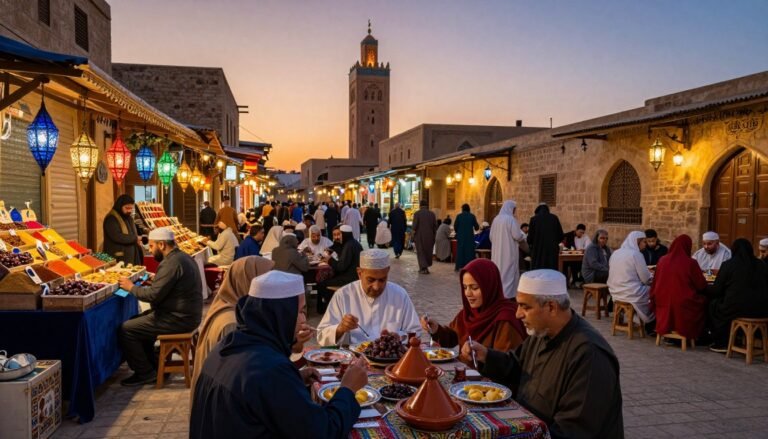
During Ramadan, Moroccans fast from dawn to sunset. As a tourist, it’s important to respect this tradition. You’ll see people coming together for iftar (break-fast) after sunset, often with family or in groups.
Tips for Respectful Tourism During Ramadan
To visit respectfully, follow these tips: Don’t eat, drink, or smoke in public during the day. Dress modestly and respect local customs. Morocco’s attractions are open, but hours might change.
Ramadan Food and Traditions
Ramadan is a time for sharing meals, with special dishes at iftar and sahur. Join locals for iftar or try Ramadan meals at traditional restaurants. The evenings are filled with food, music, and community spirit.
Islamic Holidays and Celebrations in Morocco
When you visit Morocco, you’ll see the country’s Islamic heritage shine through its holidays. These celebrations are a big part of Morocco’s culture. They show the country’s strong religious roots.
Eid al-Fitr and Eid al-Adha Explained
Eid al-Fitr and Eid al-Adha are key Islamic holidays in Morocco. Eid al-Fitr ends Ramadan, the fasting month, with feasting and gifts. Eid al-Adha, or the Festival of Sacrifice, honors the Prophet Ibrahim’s sacrifice. It’s celebrated with animal sacrifices, usually sheep.
Both holidays bring people together for prayers, family, and charity. They’re times of joy and giving.
Other Important Religious Observances
Morocco also celebrates the Mawlid al-Nabi, the Prophet Muhammad’s birthday. The Islamic New Year is another important date. These events are key to understanding Morocco’s religious culture.
By respecting these holidays, you can dive deeper into Morocco’s culture. It makes your visit more meaningful and enriching.
Moroccan Islam Compared to Other Regions
Moroccan Islam is unique compared to other parts of the world, like the Middle East. The country’s mix of Arab and Berber cultures, along with its history, has shaped a moderate and tolerant form of Islam.
How Islam in Morocco Differs from the Middle East
Moroccan Islam stands out for its focus on religious tolerance and moderation. It is known for:
- A blend of Arab and Berber cultural influences
- The Maliki School of thought, which is prevalent in Morocco
- A history of religious tolerance and coexistence
This mix leads to a more relaxed and inclusive version of Islam. It’s seen in how Moroccans live their daily lives and interact with visitors.
Religious Tolerance and Moderate Practices
Morocco is famous for its moderate Islamic practices. These are seen in the country’s laws and social norms. The government supports a tolerant version of Islam that welcomes other cultures and religions.
- The official recognition of the Jewish community and their religious practices
- The celebration of various cultural festivals that reflect Morocco’s diverse heritage
- Educational initiatives that promote understanding and tolerance
As a visitor, you’ll find a welcoming and inclusive place. Different cultures and religions live together peacefully. Knowing these differences can make your visit to Morocco more meaningful and enrich your understanding of its religious heritage.
Conclusion: Embracing Morocco’s Religious Heritage
As you finish your trip to Morocco, you’ll likely have a new respect for its rich religious heritage. The Islamic traditions and cultural practices here are a big part of who Morocco is. Embracing these aspects can make your trip more meaningful and enriching.
Respecting local customs and traditions helps you connect with the community. Morocco’s Islamic culture is a mix of Arab and Berber influences. This makes it a great place to explore different cultures.
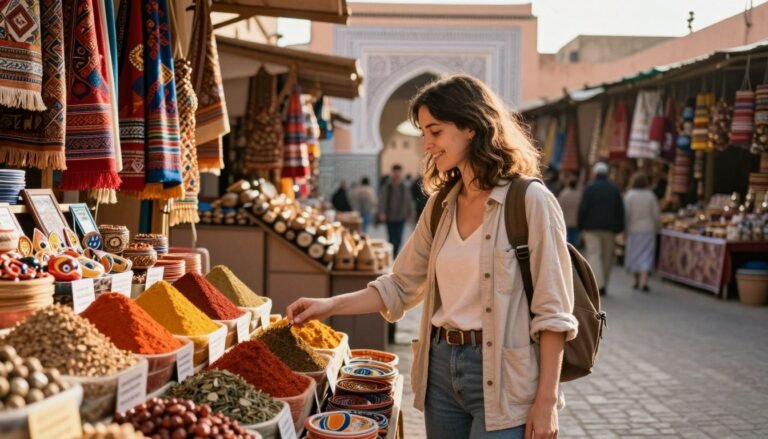
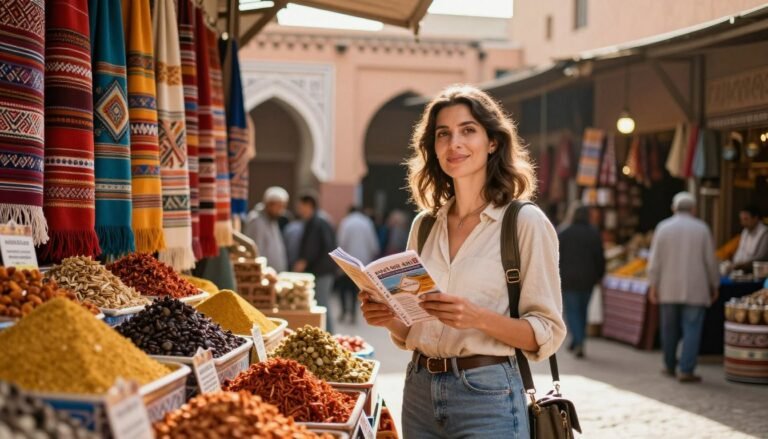
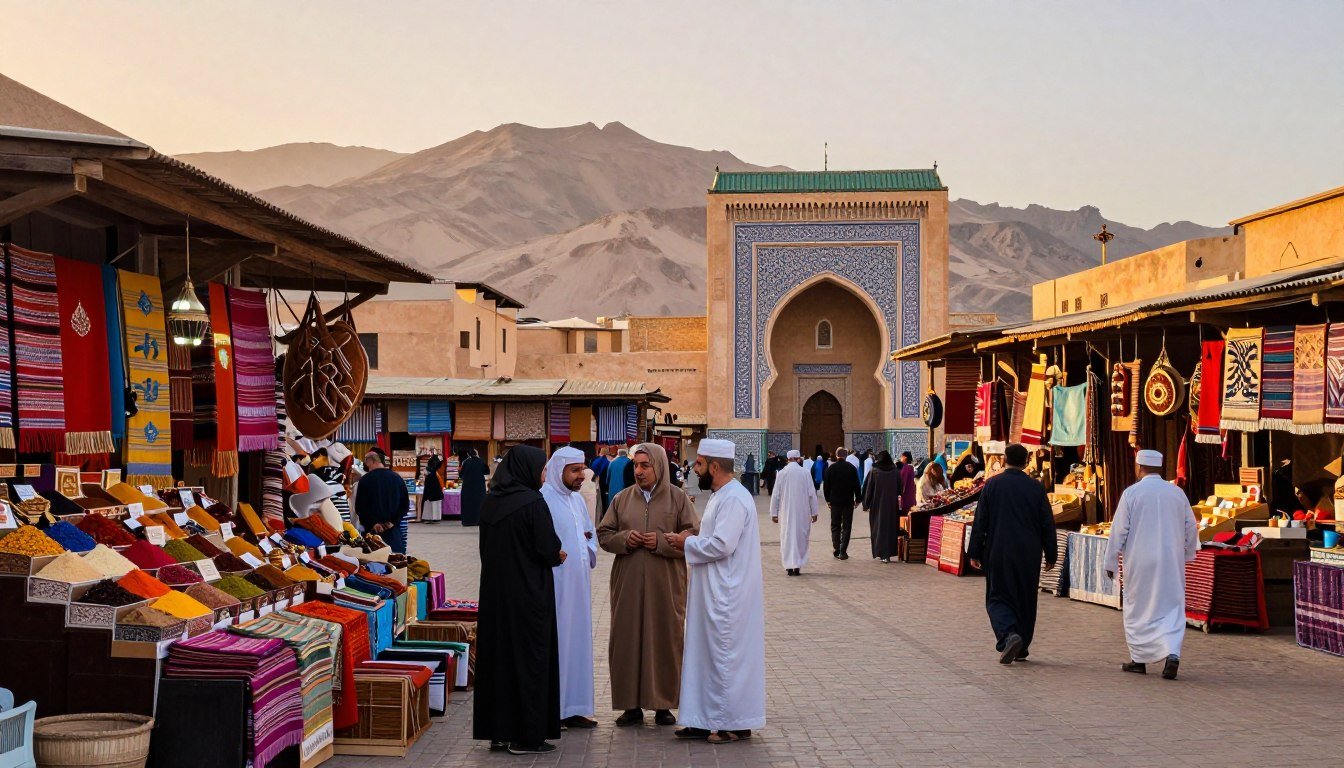
Reflecting on your trip, you’ll see how Islamic culture has influenced Morocco. From the stunning mosques to the lively souks, you can see its impact everywhere. By embracing this heritage, you’ll understand Morocco and its people better, leaving with unforgettable memories.
FAQ
Is Morocco a Muslim country?
Yes, Morocco is a Muslim country. Islam is the official religion. Most people practice Islam, which greatly influences the culture and daily life.
How does Islam influence daily life in Morocco?
Islam shapes daily life in Morocco in many ways. This includes the call to prayer and daily prayers. Islamic holidays also play a big role in the culture and social norms.
Can tourists visit mosques in Morocco?
Some mosques in Morocco welcome non-Muslim visitors. It’s important to follow local rules and dress modestly. Make sure to remove your shoes before entering. Always check if the mosque is open to visitors.
What is the dress code for tourists in Morocco?
Tourists should dress modestly, covering shoulders and knees. Women should also cover their hair as a sign of respect. This is important when visiting religious sites.
How does Ramadan affect tourists in Morocco?
During Ramadan, tourists should respect the fasting. Avoid eating or drinking in public during daylight. While not expected to fast, being mindful of local customs can enhance the experience.
What are the major Islamic holidays in Morocco?
Morocco celebrates Eid al-Fitr and Eid al-Adha. Eid al-Fitr marks the end of Ramadan. Eid al-Adha commemorates the Prophet Ibrahim’s willingness to sacrifice his son.
How does Moroccan Islam differ from other regions?
Moroccan Islam is known for its moderate and tolerant practices. This is influenced by the country’s culture and history. The Maliki School of thought also shapes the country’s Islamic practices.
Can tourists participate in Islamic celebrations in Morocco?
Tourists are not expected to participate in Islamic celebrations. But they can observe and respect local customs. Understanding these celebrations can help tourists appreciate the local culture.
What should tourists know about the call to prayer in Morocco?
The call to prayer is a key part of Islamic practice in Morocco. It happens five times a day. Tourists can use this as a chance to experience the local culture and plan their day.
Are there any specific rules tourists should follow when interacting with locals during Islamic holidays?
Tourists should be respectful of local customs and traditions during Islamic holidays. Avoid public displays of affection and dress modestly. Being mindful of local practices can help tourists interact positively with locals.