Do You Need a Guide for Hiking in Morocco?
Do You Need a Guide for Hiking in Morocco?
When I explored the Atlas Mountains, I found that hiking in Morocco is truly unique. The country’s varied landscapes, from snowy peaks to the Sahara Desert, attract hikers from around the world.
Yet, I quickly learned that finding your way can be tough without a guide. Many hikers choose a local guide for safety and to enjoy Morocco’s culture and stunning views.
Key Takeaways
- Morocco offers diverse hiking trails for all levels.
- A local guide can enhance your hiking experience.
- Understanding local customs is key for a respectful hike.
- Preparation is essential for a successful hike.
- Morocco’s landscapes provide a special hiking experience.
The Magnificent Landscapes of Morocco
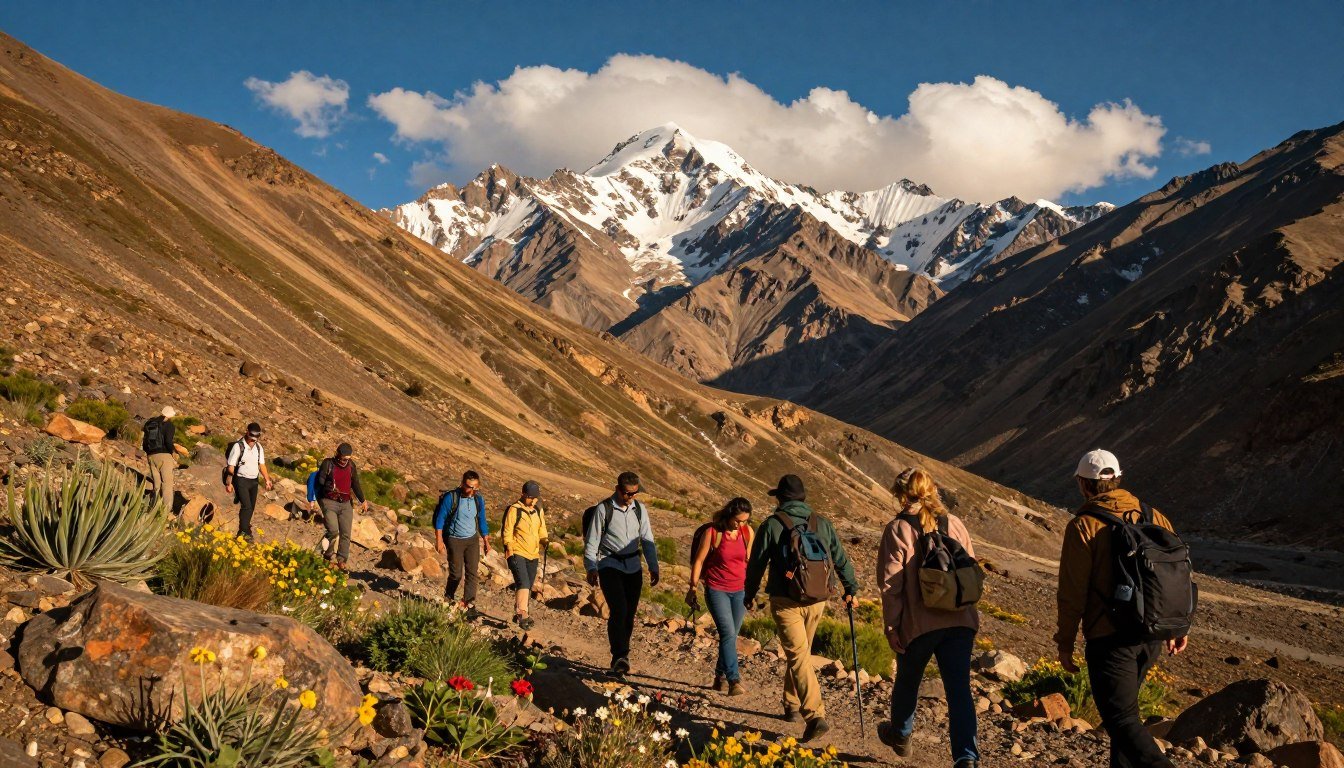
Morocco is a dream destination for hikers, with landscapes that vary greatly. From the snow-capped Atlas Mountains to the endless Sahara Desert, each region offers a unique hiking experience. The terrains change dramatically, making every hike an adventure.
Diverse Terrains and Ecosystems
Morocco’s geography is rich and varied. The Rif Mountains are green and lush, while the Sahara Desert is dry and sandy. Hikers can explore these different worlds on trails like the M’Goun Circuit.
- The Atlas Mountains offer rugged, mountainous terrain.
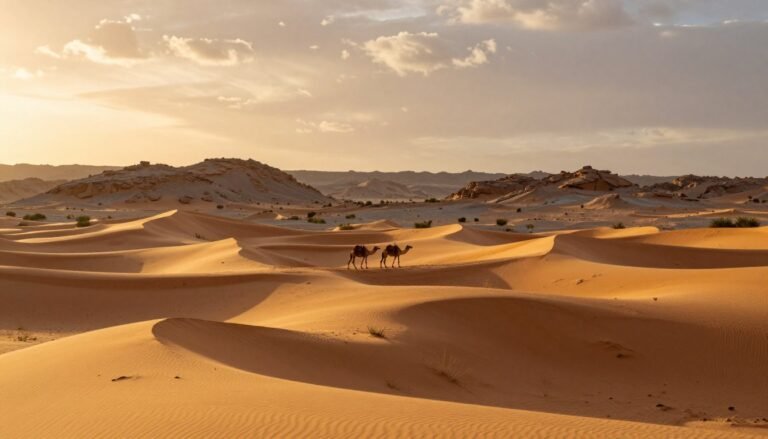
- The Sahara Desert provides a unique desert hiking experience.
- The Rif Mountains are known for their lush, green landscapes.
Popular Hiking Destinations
Some top spots for hiking in Morocco include Mount Toubkal and the Todra Gorge. Mount Toubkal is the highest peak in the Atlas Mountains. Todra Gorge is famous for its stunning rock formations. These places let hikers see Morocco’s natural wonders up close.
- Mount Toubkal: The highest peak in the Atlas Mountains.
- Todra Gorge: Known for its impressive rock formations.
- M’Goun Circuit: A multi-day hike through the Atlas Mountains.
Hiking in Morocco: An Overview
Morocco has many hiking trails for all levels. Whether you’re experienced or new, you’ll find something exciting here. The varied landscapes make every hike unique.
Seasonal Considerations
The best times to hike in Morocco are spring (March to May) and autumn (September to November). The weather is mild and perfect for trekking. Summer is hot, and winter can be cold in the mountains.
Knowing the seasons helps plan your hike. Spring is great for seeing flowers bloom. Autumn is perfect for enjoying the harvest in rural areas.
Difficulty Levels of Trails
Morocco’s trails range from easy day hikes to tough multi-day treks. The Atlas Mountains have some of the best routes. Climbing Mount Toubkal, North Africa’s highest peak, is a highlight.
| Trail | Difficulty Level | Duration |
|---|---|---|
| Mount Toubkal Ascent | Challenging | 2 days |
| Ourika Valley | Easy to Moderate | 1-3 days |
| Chefchaouen Trails | Moderate | 2-4 days |
Legal Requirements for Hikers in Morocco
As a seasoned hiker, I’ve learned that knowing the legal requirements for hiking in Morocco is vital. The country has implemented various regulations to ensure both the safety of hikers and the preservation of its natural environments.
Official Regulations
Starting in 2018, it’s mandatory to hire a local guide for certain trails, like Mount Toubkal. This rule aims to improve hiker safety and support local economies. It’s important to check if your chosen trail requires a guide before booking your trip. Official regulations also require hikers to respect local customs and environments.
Protected Areas and Special Permits
Morocco has many protected areas, including national parks and nature reserves. Hikers going into these places might need special permits along with a local guide. These permits help manage tourist numbers and protect sensitive ecosystems. For example, hiking in the Atlas Mountains might need a permit to protect the local environment.
Understanding and following these regulations ensures a safe and enjoyable hiking experience. It also helps in conserving Morocco’s beautiful landscapes.
Safety Considerations for Morocco Trails
When planning your Moroccan hiking trip, safety is key. Morocco’s varied landscapes, from the Atlas Mountains to the Sahara Desert, are stunning. But, they also present unique safety challenges.
Common Risks and Hazards
Hikers in Morocco might encounter altitude sickness, harsh weather, and tough terrain. Altitude sickness is a big worry in the Atlas Mountains, where trails go over 4,000 meters. Knowing the symptoms and staying hydrated are important steps.
Emergency Services and Accessibility
In emergencies, Morocco’s remote areas have limited services. While big cities have good medical care, help can be slow in rural spots. It’s smart to be ready to handle emergencies yourself and carry the right gear.
Essential Safety Equipment
Carrying essential safety equipment is critical. This includes a first-aid kit, navigation tools, and a way to communicate. A satellite phone is vital in places without cell service. Also, bring layers for weather changes, sturdy shoes, and a basic repair kit.
Knowing the risks and being prepared can help you stay safe. This way, you can enjoy a rewarding and safe hike in Morocco.
When a Guide is Absolutely Necessary
Hiking in Morocco is exciting, but sometimes you need a guide. Trails in high-risk areas or with technical routes need a guide’s expertise. They know the local terrain and can help you navigate.
High-Risk Areas and Technical Routes
The Atlas Mountains in Morocco have tough trails. Mount Toubkal is a famous spot that needs careful walking. A guide is key here, helping with navigation and emergency plans.
- They know the terrain and dangers well.
- They can safely guide you through technical parts.
- They’re ready for emergencies.
Cultural and Language Barriers
There are also cultural and language barriers in Morocco. In rural places, English might not be common. Local customs can be different from what you’re used to. A guide helps with these, making your trip better.
| Benefit | Description |
|---|---|
| Cultural Insights | Guides share local customs and traditions. |
| Language Assistance | Guides help talk to locals. |
| Enhanced Experience | Guides add to your adventure with their area knowledge. |
In summary, while not all trails need a guide, some do. High-risk areas and cultural differences make guides essential. Knowing this helps hikers plan better for their Moroccan adventures.
Benefits of Hiring a Morocco Hiking Guide
Hiring a Morocco hiking guide offers more than just directions. You get a local’s deep knowledge of the land, its history, and culture.

Local Knowledge and Cultural Insights
A local guide shares invaluable insights into the culture and history of your destinations. They know about local plants and animals, the region’s past, and community customs. This makes your hike more than just a physical challenge.
Navigation and Route Planning
Morocco’s trails can be tricky, even for those who know the area. A local guide is an expert in route planning. They pick the safest, most beautiful paths. This lets you enjoy your hike without worrying about getting lost.
Emergency Response and Support
In emergencies, a local guide knows how to act. They can handle injuries or getting lost. Their knowledge of the area and emergency services keeps you safe.
Some key benefits of hiring a guide include:
- Enhanced cultural understanding
- Expert navigation and route planning
- Improved safety and emergency response
How to Find a Reliable Hiking Guide in Morocco
Planning a hike in Morocco? Finding a trustworthy guide is key for a safe and fun trip. A good guide offers local tips, keeps you safe, and knows the trails well.
Qualifications to Look For
A reliable hiking guide in Morocco should have the right qualifications. Look for guides with certifications from local authorities or guide associations. These show they’ve had the right training and know the terrain, culture, and safety rules.
Booking Platforms and Services
Many booking platforms and tour operators can connect you with guides in Morocco. Do your research and read reviews to find a good service. Some platforms let you filter guides by their qualifications, experience, and what others say about them.
Average Costs and What’s Included
The cost of a hiking guide in Morocco varies. It depends on the hike’s length, the guide’s experience, and what’s included. On average, expect to pay $20 to $50 a day for a guide. Some tour operators offer packages that include more, like where to stay, food, and transport, along with the guide.
As “A good guide is worth every penny for the safety and enjoyment they bring to your hiking experience.” – a seasoned hiker once said. Having a certified and experienced guide makes a big difference in your adventure.
Self-Guided Hiking in Morocco: Is It Possible?
Thinking about hiking in Morocco made me wonder if I could do it alone. Morocco’s varied landscapes and rich culture are perfect for solo hikers. But, some trails need a guide because of local rules or safety.
Suitable Trails for Independent Hikers
Many trails in Morocco are great for solo hikers. The Atlas Mountains have trails with stunning views. “The Atlas Mountains are a hiker’s paradise,” say many fans of the outdoors.
These trails are well-marked. With the right navigation tools, you can explore them safely.
Essential Preparation for Solo Hiking
Getting ready is important for a solo hike in Morocco. Research your path, check the weather, and trail conditions. Don’t forget to pack a first-aid kit, enough water, and a map or GPS.
Navigation Tools and Resources
Choosing the right navigation tools is key for solo hiking in Morocco. You’ll need a detailed map, a GPS, or a smartphone with GPS. Guidebooks and online forums are also helpful for trail info and safety tips.
In summary, while some places in Morocco need a guide, many trails are open to self-guided hiking. With the right prep and navigation tools, solo hikers can discover Morocco’s wonders.
Regional Guide: Atlas Mountains
Morocco’s Atlas Mountains are a dream for hikers. They offer trails from tough climbs like Mount Toubkal to peaceful valleys. The area is famous for its stunning views and rich culture, making it perfect for adventurers.

Mount Toubkal and Guide Requirements
Mount Toubkal, the Atlas Mountains’ highest peak, attracts many hikers. It’s essential to hire a certified guide for this trek. A guide offers insights into local culture, history, and nature, making the hike better.
The climb to Mount Toubkal is tough, with steep paths and unpredictable weather. A local guide is key to safely navigate these challenges and keep hikers on track.
Lesser-Known Atlas Trails
There are many hidden trails in the Atlas Mountains, aside from Mount Toubkal. These paths let you see the mountains’ untouched beauty and meet local Berber communities.
| Trail Name | Difficulty Level | Duration |
|---|---|---|
| Mount Toubkal Circuit | Challenging | 2-3 days |
| Aït Bouguemez Valley | Moderate | 1-2 days |
| Tazaghart Plateau | Easy to Moderate | 1 day |
These trails show the Atlas Mountains’ varied landscapes and cultures. From calm valleys to rocky peaks, they offer a unique view.
Regional Guide: Anti-Atlas and Rif Mountains
Looking for adventure off the main trails? The Anti-Atlas and Rif Mountains in Morocco are perfect. They mix stunning nature with rich culture, unlike the Atlas Mountains.
Anti-Atlas Hiking Accessibility
The Anti-Atlas Mountains have easy-to-follow trails. They’re great for hikers of all levels. You can stroll through Berber villages or tackle tough trails for amazing views.
Getting an anti-Atlas hiking guide makes your trip better. They share local stories, history, and nature secrets.
Safety in the Rif Mountains
The Rif Mountains offer a unique hike, but safety first. The terrain is tricky, and you might get lost. So, knowing rif mountains hiking safety is key.
Having the right guide and gear is essential for a safe Rif Mountains hike.
In summary, the Anti-Atlas and Rif Mountains are great for different hikers. They offer unique experiences. With the right prep and guide, these places are unforgettable.
My Personal Experience Hiking in Morocco
I’ve learned a lot about hiking in Morocco. I’ve hiked in the Atlas Mountains and the Anti-Atlas valleys. This has helped me understand the difference between guided and self-guided hikes.
Guided vs. Self-Guided Adventures
I’ve tried both guided and self-guided hikes in Morocco. Guided tours gave me local knowledge and cultural insights. They added stories and history that I wouldn’t have found on my own.
Self-guided hikes, on the other hand, let me move at my own pace. I could explore hidden paths. But, I had to plan carefully and know how to navigate.
Lessons Learned and Recommendations
My experiences show that self-guided hiking in Morocco is great, but you need to know the terrain and weather. If you’re new to hiking or Morocco, start with a guided tour. It’s safer and you’ll learn a lot.
- Research your route thoroughly.
- Consider hiring a local guide for challenging or unfamiliar terrains.
- Be prepared for variable weather conditions.
Choosing between guided or self-guided hiking in Morocco depends on your experience and what you want to see. Think about your skills and the trails you’re interested in.
Conclusion: Making Your Decision
When planning your hiking trip in Morocco, choosing between a guide or solo adventure is key. Your decision depends on the trail and your hiking experience. If you’re new or tackling tough trails like the Atlas Mountains, a guide is a smart choice.
For seasoned hikers who know the terrain, solo hiking might be better. But, it’s vital to be ready for any challenges. Always put safety first when hiking in Morocco.
By weighing your options and preparing well, you’ll have a great time hiking in Morocco. Whether you choose guided or solo, Morocco’s beauty and culture will stay with you.
FAQ
Do I need a guide to hike in Morocco?
You might not need a guide in some places, but it’s a must in others. This is true for protected areas or risky spots. Knowing the local rules is key.
What are the most popular hiking destinations in Morocco?
Top spots include the Atlas Mountains, Mount Toubkal, the Anti-Atlas, and the Rif Mountains. Each offers unique views and challenges.
What is the best time to go hiking in Morocco?
Spring (March to May) and autumn (September to November) are the best times. The weather is mild, making it perfect for hiking.
Are there any specific safety concerns I should be aware of while hiking in Morocco?
Yes, watch out for rough terrain, unpredictable weather, and getting lost. Being ready with the right gear and knowledge is vital.
Can I hike alone in the Atlas Mountains?
Hiking alone is doable on some trails, but a guide is better for tough routes like Mount Toubkal. They make your trip safer and more enjoyable.
What are the benefits of hiring a local hiking guide in Morocco?
Local guides know the terrain and culture well. They can also help in emergencies. This makes your hike safer and more fun.
How do I find a reliable hiking guide in Morocco?
Look for guides with certifications and check reviews online. Ask about their experience and what they offer.
Are there trails in Morocco suitable for self-guided hiking?
Yes, some trails are good for solo hikers. But, make sure you’re prepared with the right tools and know the terrain.
Is a guide required for hiking Mount Toubkal?
Guides are not always needed, but they’re highly recommended. Mount Toubkal is challenging, and guides can help with safety.
What safety equipment should I carry while hiking in Morocco?
Carry a first-aid kit, sturdy boots, layers for weather, a map, and a way to communicate. These are essential for safety.
Can I hike in the Rif Mountains without a guide?
Some trails in the Rif Mountains are safe for solo hikers. But, the area’s challenges make a local guide very helpful.
What are the regulations for hiking in protected areas of Morocco?
Hiking in protected areas needs special permits and sometimes a guide. Knowing these rules is important to avoid problems.